


Heritage needs a present tense
A long history gives a business something valuable to work with. Customers arriving today still need to experience the qualities that made the name worth remembering.
 Words:
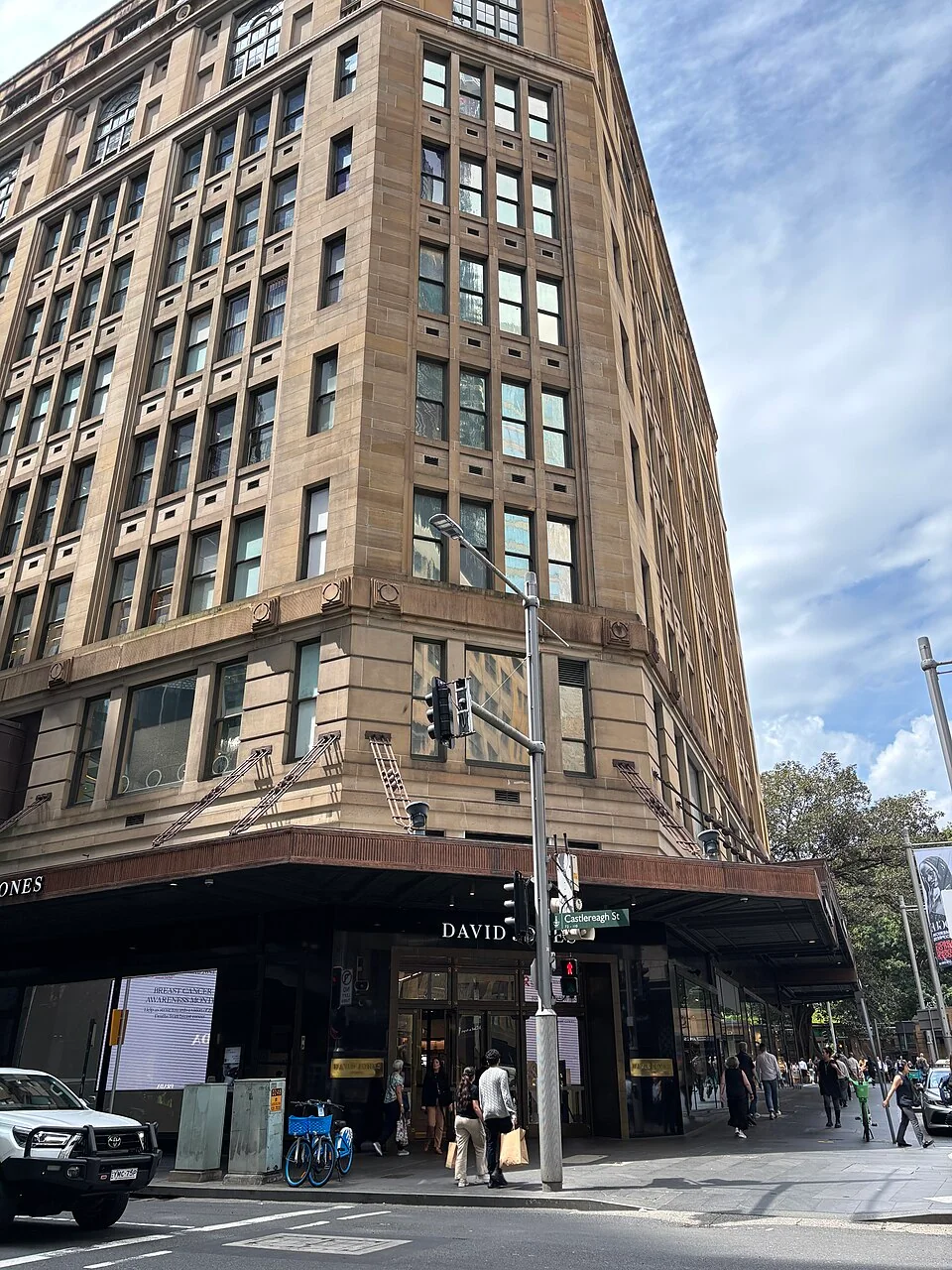
David Jones is a difficult story to watch unfold. On 5 November 2026, the retailer entered voluntary administration. Receivers subsequently announced plans to close nineteen stores, eighteen in Australia and one in New Zealand. A stock-exchange announcement from one of its landlords confirms the decision, made following a review of the business and its store portfolio. At the time of writing, the business continues to trade through the restructure.
The financial circumstances deserve careful reporting. Financing, leases, ownership and operating costs have consequences that a campaign cannot wish away. Staff and suppliers are directly affected. Any discussion of the brand needs to keep those realities in view.
There is still a useful question here for anyone responsible for an established business: what does an inherited reputation help a customer do today?
Give the reputation a job
Consider a customer buying a wedding present. They know the couple well, have a budget and want to choose something that feels considered. They could spend the evening comparing products across several websites. A retailer with the right selection and knowledgeable staff could help them choose confidently in one visit.
That confidence has value. It comes from the way the business assembles its offer and helps people use it. The range, the advice, the wrapping and the handling of a later exchange all contribute to the purchase.
An established reputation for good taste can make someone consider the store. The experience has to give them a reason to return. That means putting the reputation to work in decisions about what gets stocked, who gets trained and how much help a customer can expect.
For a professional firm, the equivalent might be judgement. For a manufacturer, it might be dependable delivery. In each case, the useful exercise is to follow the admired quality through to something a customer can observe. A date above the door offers little guidance on its own.
Follow the promise through the building
The ABC's recent history of David Jones describes a business where dining, displays and cultural events helped make shopping an occasion. Retail historians interviewed for the piece also discuss changes to staffing and the concession model, and their effects on service.
The broader lesson concerns how the parts fit together. A customer arrives with a purpose that can cross several departments. Someone looking for an outfit has a different task from someone choosing between two jackets by the same designer. They may need advice that travels with them through the store.
When every counter sends them back to the beginning of the conversation, the customer has to coordinate the experience. The business may contain plenty of good individual products and people. Its ability to bring those things together is part of what makes the whole visit worthwhile.
This is a useful way to review any brand claim. Follow a real customer through the sequence in which they encounter it. Look at what the website leads them to expect, what happens when they make contact, who takes responsibility and how the experience ends. The joins often reveal more than an isolated review of each department.
Make expertise easy to recognise
There are practical ways to put service into an offer. Mecca's services menu includes makeup lessons, skin consultations and fragrance discovery appointments. A customer can see what help is available and book time for it.
Those appointments give us a concrete service to examine. We would need separate evidence to assess the company's economics. Here, the useful detail is how clearly the expertise is offered. The customer knows what to ask for. The staff member has a defined service to deliver.
A business that trades on expertise can apply the same discipline in its own way. Explain what the advice covers. Allow enough time to give it. Make it clear which person can help. Ensure that the recommendation considers the customer's whole situation.
Design has a role in making this legible. Naming, information, booking, signage and the arrangement of a space can all help someone find the service. They work best when the promised help is available at the end of that journey.
Let the future earn its own reputation
A smaller David Jones could still have a meaningful place in Australian retail. Its prospects depend on arrangements and decisions that are still being worked through. From a brand perspective, the useful question would be whether the remaining business can offer something valuable and deliver it consistently.
Store count would be one measure of its size. Customers would judge their own visits. A clear selection, good advice, a dependable order or a well-handled problem could each give someone a reason to choose it again.
For an established business considering its own future, start with the qualities people already value. Gather recent examples of those qualities in practice. Look for the situations where they disappear under pressure. Ask staff what prevents them from delivering the experience customers expect.
Those findings can guide investment as well as communication. If the firm promises careful advice, it needs time and knowledge available for the conversation. If it promises reliability, its stock information and handovers need to hold up. If it promises personal service, someone has to own the customer's problem through to the end.
Heritage can provide a starting point for those decisions. The business then has to make something useful of it in the present. That is how an admired history becomes part of the next purchase, and eventually part of a reputation another generation has reasons to value.